Sie müssen für Claude-Skills nicht bezahlen - es gibt zahlreiche kostenlose prompts und Tools, und sie sind ein völlig guter Ausgangspunkt. Die eigentliche Frage ist also, was Sie erhalten, wenn Sie bezahlen. Dieser Leitfaden vergleicht kostenlose und kostenpflichtige Claude-Skills ehrlich: was kostenlose Optionen abdecken, wo sie an ihre Grenzen stoßen und wann sich der Wechsel zu einem kostenpflichtigen Skill lohnt. Das gilt unabhängig davon, ob Sie Claude, ChatGPT oder irgendeinen AI-Chat verwenden, da ein Skill in beiden Fällen einfach eine Anweisungsdatei ist.
Die Kurzfassung: Kostenlose Optionen eignen sich hervorragend, um die Idee auszuprobieren und gelegentliche Aufgaben zu erledigen, während kostenpflichtige Skills ihren Preis verdienen, wenn Sie dieselbe Art von Arbeit häufig erledigen und ohne Einrichtung konsistente Ergebnisse auf Spezialistenniveau benötigen.

Einer der am häufigsten heruntergeladenen kostenpflichtigen Skills von KissMySkills - eine vollständige, getestete Konfiguration für eine Rolle, die Sie bei einem kostenlosen prompt sonst jedes Mal wiederholen und neu erklären müssten.
Serge ansehen →Was kostenlose Claude-Skills bieten
Kostenlos bedeutet meist GitHub. Anthropic veröffentlicht ein offizielles Skill-Repository - Referenzimplementierungen einschließlich der Dokumentenverarbeitungs-Skills, die mit Claude ausgeliefert werden, und des Meta-Skills Skill Creator - und darüber hinaus gibt es Community-Sammlungen und persönliche Dotfiles-Repositories. Drei Arten von Quellen, und sie sind nicht gleichermaßen nützlich:
- Das eigene Repository von Anthropic. Gut gemacht und lesenswert, selbst wenn Sie daraus nie etwas installieren, denn es zeigt, was mit dem Format möglich ist.
- Community-Sammlungen und Awesome-Listen. Hunderte von Links, mit stark schwankender Qualität. Einige sind wirklich gute, auf einen Zweck beschränkte Skills, geschrieben von Menschen, die sie selbst benötigten. Viele bestehen aus einem Titel, einem Absatz und sonst nichts.
-
Persönliche Dotfiles-Repositories. Der eigene
~/.claude/skills/-Ordner einer Person, unverändert veröffentlicht - oft das interessanteste Material und am wenigsten dokumentiert, geschrieben für den Workflow einer Person, der möglicherweise nicht Ihrem ähnelt.
Alles ist kostenlos und lesbar, bevor Sie es installieren. Wenn Sie nur gelegentlich etwas benötigen oder die Aufgabe technisch genug ist, dass Sie die Ausgabe selbst beurteilen können, ist das oft alles, was Sie brauchen - es gibt keinen Grund, für die gelegentliche Nutzung zu bezahlen.

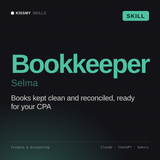
Kontenplan-Logik, Kategorisierungsregeln, Checkliste für den Monatsabschluss und Abstimmungsschritte. Öffnen Sie die Datei und vergleichen Sie sie mit jedem Buchhaltungs-Skill, den Sie in einem Repository finden.
Selma ansehen →Wo kostenlose Optionen an ihre Grenzen stoßen
Die Grenzen zeigen sich bei wiederholter Nutzung. Kostenlose prompts sind inkonsistent - an einem Tag funktionieren sie, am nächsten driften sie ab, weil sie nie als vollständiges System erstellt und getestet wurden. Sie definieren selten Ausgabeformate, sodass du jedes Mal erneut erklären musst, was du möchtest. Außerdem sind sie verstreut, sodass du Zeit mit Suchen und Anpassen verbringst, statt zu arbeiten. Der häufigste Fehler ist die Beschreibungzeile im Datei-Header - die Zeile, die Claude prüft, um zu entscheiden, ob ein Skill auf deine Anfrage zutrifft. Ein Repository-Skill mit einer vagen Einzeile wird entweder nie oder bei allem ausgelöst, weil die Person, die ihn geschrieben hat, bereits wusste, wann er verwendet werden soll, und das nie klar aufschreiben musste. Für einmalige Aufgaben spielt das alles keine Rolle; bei regelmäßiger Arbeit summiert es sich zu einem echten Zeitverlust.
Was du tatsächlich bekommst, wenn du bezahlst
Ein kostenpflichtiger Skill ist eine vollständige, getestete Konfiguration und nicht nur ein einzelner prompt. Vier konkrete Dinge unterscheiden ihn von dem, was du kostenlos findest, und keines davon ist Magie:
- Ein ausgearbeitetes Beispiel für das Ergebnis. Die besseren Pakete enthalten eine Ressourcendatei mit dem fertigen Ergebnis, nicht mit einer Beschreibung des fertigen Ergebnisses - sie zeigt dir, was du kaufst, und gibt dem Modell ein konkretes Ziel zum Nachahmen statt einer abstrakten Anweisung, die es interpretieren muss.
- Eine Beschreibungzeile, über die tatsächlich nachgedacht wurde. Sie wurde getestet, damit der Skill genau in den Situationen ausgelöst wird, für die er gedacht ist - nicht ständig und nicht nie.
- Klar benannte Grenzen. Was die Rolle nicht tut, ist niedergeschrieben, statt vorausgesetzt zu werden. Ein Skill für juristische Prüfungen, der erklärt, dass er keine rechtsordnungsspezifische Beratung gibt, ist nützlicher als einer, der sie selbstbewusst erfindet.
- Jemand, der ihn pflegt. Das Verhalten des Modells verändert sich mit der Zeit. Ein Datum des letzten Commits ohne damit verbundene Verpflichtung ist nicht dasselbe wie eine aktive Pflege entsprechend dem aktuellen Verhalten des Modells.
Du bekommst außerdem die Stunden zurück, die du für die Erstellung und das Testen deines eigenen aufgewendet hättest. Die Zahlung kauft Zuverlässigkeit und Zeit, keine Magie.
Was ist Skill Creator und wie verwendet man ihn?
Skill Creator ist Anthropic's Meta-Skill: ein Skill, dessen Aufgabe darin besteht, dir beim Schreiben anderer Skills zu helfen. Er ist im offiziellen Skills-Repository veröffentlicht und das Nützlichste auf GitHub für alle, die beschlossen haben, ihren eigenen zu erstellen, statt einen zu kaufen. Er funktioniert, indem er dich interviewt, statt aus einem einzeiligen prompt zu generieren: Installiere ihn wie jeden anderen Skill, beschreibe die Aufgabe statt der Persona („Lieferantenverträge auf Zahlungsbedingungen und Haftungsobergrenzen prüfen“, nicht „Sei Rechtsexperte“), beantworte seine Fragen zu Auslösern, Ausgabeformat und Ablehnungen, gib ihm ein echtes Beispiel fertiger Arbeit als Referenz und teste den Auslöser anschließend in einem neuen Gespräch, bevor du ihm vertraust. Für den ersten brauchst du etwa eine Stunde, danach jeweils zwanzig Minuten. Wenn dein Workflow wirklich spezifisch für dich ist, ist das besser als ein Kauf - nichts, was zum Verkauf steht, wird besser passen als das, was du selbst schreibst.

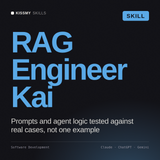
Chunking-Strategie, Embedding-Entscheidungen, Evaluierung des Retrievings und die Fehlermodi, die erst in der Produktion sichtbar werden. Geschrieben für Entwickler, die damit diskutieren werden - genau die richtige Zielgruppe für eine kostenlose Skill.
Kai anzeigen →Wie bewertest du eine Skill, bevor du sie installierst?
Das funktioniert genauso, egal ob die Datei von GitHub, von uns oder von einem Wettbewerber stammt. Fünf Minuten, keine Installation erforderlich:
- Lies zuerst die Beschreibungszeile. Sie steht oben im Header. Wenn sie ein Thema statt einer Situation beschreibt, wird der Trigger fehlerhaft ausgelöst. Du brauchst „use when“, gefolgt von etwas Konkretem.
- Achte auf eine Methode mit einer klaren Reihenfolge. Gute Dateien sagen, was vor dem Start zu fragen ist, welche Schritte nacheinander durchzuführen sind und was erstellt werden soll. Dateien, die 400 Wörter damit verbringen, eine Persönlichkeit zu beschreiben, und nie das Ergebnis benennen, werden genau das hervorbringen, was du auch ohne sie erhalten hättest.
- Prüfe, ob es ein Beispiel für ein fertiges Ergebnis gibt. Ein Ressourcenordner mit einem echten Ergebnis darin ist das stärkste Signal in der gesamten Datei. Sein Fehlen ist kein Ausschlusskriterium, aber es bedeutet, dass du eine Beschreibung der Arbeit statt einer Arbeitsprobe kaufst.
- Bewerte die Länge nach Spezifität, nicht nach Umfang. Eine Datei mit 300 Zeilen vager Ratschläge ist schlechter als eine Datei mit 80 Zeilen, die das exakte Format, die genauen Prüfungen und die genauen Ablehnungen nennt.
- Prüfe, was abgelehnt wird. Jede Skill in einem regulierten Bereich, für die keine Grenzen festgelegt sind, wurde nicht sorgfältig durchdacht.
- Prüfe das Datum. Sieh dir auf GitHub den letzten Commit an. Prüfe auf einem Marktplatz, ob auf der Produktseite überhaupt Updates erwähnt werden.
Wenn ein Marktplatz dir vor dem Kauf nicht zeigt, was enthalten ist, sagt dir das etwas. Sieh dir auch Claude-Skills vs. MCP an, wenn du noch herausfinden musst, welche der beiden Optionen dein Problem löst.

Struktur von Produktseiten, Logik von Kollektionen, Merchandising-Regeln und die Conversion-Prüfungen, die du vor einem Launch durchführen solltest. Plattform-spezifisch auf eine Weise, wie es die meisten Repository-Skills nicht sind.
Bruna anzeigen →Der ehrliche Vergleich
Kostenlose Lösungen gewinnen beim Preis und bei gelegentlicher, unverbindlicher Nutzung. Kostenpflichtige Lösungen gewinnen bei Beständigkeit, bei der Abdeckung einer vollständigen Rolle und beim Sparen von Einrichtungszeit für wiederkehrende Aufgaben. Abstrakt ist keine der beiden Optionen besser - es hängt vollständig davon ab, wie oft du die Aufgabe erledigst. Eine einmalige Aufgabe pro Monat rechtfertigt keine Zahlung; eine zentrale wöchentliche Aufgabe fast immer.
Ein sinnvoller Weg
Der pragmatische Weg ist, kostenlos zu beginnen. Nutze kostenlose prompts, GitHub-Repositories und Generatoren, um festzustellen, ob eine konfigurierte AI deine Arbeit überhaupt unterstützt. Sobald du bemerkst, dass du dieselbe Aufgabe wiederholt erledigst, dasselbe Format erneut erklärst oder immer wieder dieselbe mangelhafte Ausgabe bearbeitest, ist das ein Signal, für diese spezifische Rolle auf einen kostenpflichtigen Skill umzusteigen. Du rüstest dort auf, wo der Zeitverlust wirklich ins Gewicht fällt, und bleibst überall sonst bei kostenlosen Angeboten. Kurz gesagt:
- Einmalige Aufgabe: gar keinen Skill - schreibe die Anweisung in den Chat und mach weiter.
- Technische Arbeit, die du selbst beurteilen kannst: GitHub ist in Ordnung. Lies die Datei, korrigiere Fehler und behalte sie.
- Ein Workflow, den noch niemand dokumentiert hat: Erstelle ihn mit Skill Creator - nichts im Angebot wird besser passen als der Skill, den du selbst schreibst.
- Eine wöchentliche Aufgabe außerhalb deiner eigenen Expertise: Hier macht sich ein fertiges Paket bezahlt, denn die Schwachstelle eines vagen kostenlosen Skills sind Ergebnisse, die richtig aussehen, es aber nicht sind.
Das Wichtigste
Kostenlose Claude-Skills - meist auf GitHub zu finden - sind der richtige Ausgangspunkt und für gelegentliche Nutzung völlig ausreichend, besonders wenn die Aufgabe technisch ist und du die Ergebnisse selbst beurteilen kannst. Kostenpflichtige Skills lohnen sich, wenn du für häufig anfallende Aufgaben Konsistenz und vollständige Rollenabdeckung brauchst: ein ausgearbeitetes Beispiel, einen getesteten Trigger, klar definierte Grenzen und tatsächliche Pflege - nicht nur ein Datum des letzten Commits. Teste den Unterschied kostenlos mit unseren 32 kostenlosen Skills - mit derselben Struktur und derselben Sorgfalt bei den Beschreibungen wie bei kostenpflichtigen Angeboten. Die Installation funktioniert in beiden Fällen gleich und dauert etwa drei Minuten: So installierst du einen Claude-Skill. Wie der kostenpflichtige Katalog nach Rollen organisiert ist, erfährst du in unserem Leitfaden zum Claude-Skills-Marketplace.
Getestete kostenpflichtige Skills für deine wöchentlichen Aufgaben - konsistente Ergebnisse, vollständige Rollenabdeckung, einmaliger Download. Funktioniert mit Claude, ChatGPT oder jedem AI-Chat.
Alle Skills durchsuchen →Marketplace-Leitfaden lesen →