Un marketplace de prompts de AI vende como producto las instrucciones probadas de otra persona: pagas una vez, descargas un archivo de texto y lo cargas en Claude, ChatGPT o Gemini. Vale la pena pagar cuando el prompt incorpora un trabajo que no puedes hacer por tu cuenta -los marcos de trabajo de un copywriter, la lista de comprobación de cierre de un controller-. No vale la pena pagar por algo que podrías escribir en diez minutos.
Precios y detalles de terceros comprobados en agosto de 2026. Los precios de los proveedores cambian - confirma la información en la propia página del vendedor antes de comprar.
¿Qué estás comprando en realidad?
Un archivo de texto. Ese es todo el producto. No hay ninguna aplicación en la que iniciar sesión, ningún acceso que aprovisionar ni nada que se actualice por sí solo. Los anuncios tienen cuatro formatos:
- Un solo prompt - un bloque de instrucciones para una tarea. Son más comunes en los marketplaces de generación de imágenes.
- Un paquete de prompts - un conjunto de prompts relacionados que cubren un flujo de trabajo, con notas sobre cuándo usar cada uno. KissMySkills vende 300+ de estos a 9 $.
-
Un archivo de habilidades - un documento
SKILL.mdque Claude carga una vez y aplica en cada conversación, en lugar de tener que volver a pegarlo para cada tarea. KissMySkills tiene más de 1.000 de estos a 19 $. - Un agent - un archivo de habilidades más los archivos de apoyo y el proceso que necesita para ejecutar un trabajo de varios pasos de principio a fin. Hay 55 en el catálogo a 39 $.
¿Comprar un prompt es realmente mejor que escribir el tuyo?
A veces. La división honesta:
Compra cuando el prompt incluya conocimientos que no tienes. Un paquete de copywriting cuesta 9 $ porque codifica marcos de trabajo -problema-agitación-solución, orden de las objeciones, dónde colocar las pruebas- que tendrías que aprender antes siquiera de poder escribir el prompt. La misma lógica se aplica a una guía de DCF o a una secuencia de cierre de fin de mes.
Escribe el tuyo cuando la tarea sea específica de tu negocio. Nadie vende un prompt que conozca tus niveles de precios, tu lista de clientes o tu tono. Un paquete comprado aporta la estructura; tú sigues aportando los datos.
Cualquiera que te dé una cifra precisa de horas ahorradas está adivinando: esa cifra depende por completo de lo bueno que ya seas redactando prompts. Lo que sí se puede comprobar es el precio. Un paquete de 9 $ cuesta menos que una hora del tiempo de casi cualquier persona, por eso la decisión suele ser fácil incluso cuando el ahorro resulta ser modesto.
¿Cuáles son los distintos tipos de marketplace?
Marketplaces generalistas
PromptBase y PromptHero ofrecen prompts para cualquier modelo - ChatGPT, Midjourney, DALL·E, Stable Diffusion, Claude. Ambos seguían operativos cuando comprobamos en agosto de 2026. La amplitud es su fortaleza. La debilidad es la combinación: los catálogos se inclinan mucho hacia la generación de imágenes, así que los prompts empresariales y de flujos de trabajo son una pequeña parte de un índice enorme. Gran parte de PromptHero se puede consultar gratis, lo que lo hace útil para estudiar cómo expresan las cosas otras personas, aunque no compres nada.
Marketplaces específicos para puestos
Más especializados por diseño: una sola familia de modelos, indexados por puesto de trabajo en lugar de por tipo de prompt. KissMySkills se encuentra aquí - archivos de Skill de Claude y packs de prompts ordenados por puesto, con garantía de devolución del dinero de 30 días. Renuncias al tamaño del catálogo a cambio de encontrar en menos de un minuto lo que encaja con tu trabajo real.
Bibliotecas comunitarias gratuitas
Repositorios de GitHub, páginas compartidas de Notion y wikis de subreddits. Sin coste, sin curación y sin forma de saber qué entradas se probaron por última vez con un modelo actual. Son útiles para ver cómo se construye un prompt. Es arriesgado implementarlos sin leer primero cada línea.

Así se ve en la práctica un pack específico para un puesto: aplica marcos de copywriting conocidos a tu oferta en lugar de producir texto genérico de AI. Esa diferencia de especificidad es todo el argumento a favor de los marketplaces especializados frente a los generalistas.
Ver herramienta de copywriting con AI →¿Cómo compruebas un pack antes de pagar?
- ¿Se menciona un modelo? Claude, GPT y Gemini responden de forma distinta a instrucciones idénticas. «Funciona con cualquier AI» normalmente significa que no se ajustó para ninguno.
- ¿Hay resultados reales? Una captura de pantalla de lo que produjo el prompt vale más que tres párrafos que describen lo que produce.
- ¿Cuándo se modificó por última vez? Las versiones de los modelos pueden romper los prompts silenciosamente. Un archivo que no se ha actualizado durante dos versiones principales es una apuesta arriesgada.
- ¿Hay reembolso? No puedes probar un archivo de texto antes de comprarlo, así que el plazo de reembolso es la única prueba que tienes. KissMySkills ofrece 30 días. Comprueba qué ofrece cada vendedor, porque muchos no ofrecen nada.

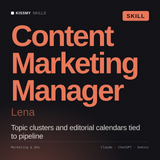
Un archivo de Skill en lugar de una lista de prompts: Lena cubre calendarios, briefs y distribución como un solo sistema que cargas una vez, en lugar de cuatro prompts que pegas por separado y tienes que volver a explicar constantemente.
Ver a Lena →¿Cómo instalas lo que has comprado?
Para un archivo de Skill de Claude solo hay una vía compatible:
- Comprueba que la descarga sea un ZIP con
SKILL.mden la raíz del archivo, no enterrado en una carpeta anidada. Ese es, con diferencia, el fallo de carga más habitual. - En la aplicación de escritorio de Claude, abre Personalizar → Skills y sube el ZIP.
- Activa la Skill. Claude la aplicará a partir de entonces sin que tengas que volver a pegar nada.
Esa vía nativa requiere activar la ejecución de código en Ajustes y después en Capacidades, opción disponible en todos los planes, incluido el gratuito. En un plan gratuito, o en ChatGPT o Gemini, la alternativa es abrir el SKILL.md archivo, copia su contenido y pégalo en las instrucciones personalizadas. Las instrucciones funcionan igual; solo pierdes el interruptor y tienes que volver a añadirlo en cada proyecto.
¿En qué fallan los marketplaces de prompts?
Las partes que no llegan a la página de destino:
- Los prompts se degradan en silencio. Cuando aparece un modelo nuevo, un prompt que dependía de los hábitos del anterior pierde eficacia sin mostrar ningún mensaje de error. Te das cuenta porque el resultado ha empeorado, no porque nada te avise.
- Compras a ciegas. No hay prueba para un archivo de texto. La política de reembolso es toda la garantía y, en los grandes marketplaces abiertos, a menudo ni siquiera existe.
- La mayoría de los anuncios nunca se venden. En un marketplace con cientos de miles de anuncios, el descubrimiento es el cuello de botella, no la oferta. Si piensas vender, da por hecho que nadie se topará contigo por casualidad.
- Un prompt no puede aportar criterio. Una Skill de director financiero estructurará la narrativa para el consejo; no sabrá que tu repunte de cancelaciones se debió a que se marchó un cliente empresarial. Las entradas deficientes siguen produciendo resultados seguros de sí mismos y erróneos.
- Los prompts de imágenes dominan los catálogos generales. Si quieres prompts para flujos de trabajo empresariales, gran parte de lo que indexa un marketplace generalista es ruido para tus fines.
¿Cómo vendes prompts que ya has escrito?
- Empieza por lo que usas a diario. Los prompts que ya están en tu historial de chats son el producto. Escríbelos correctamente, incluido el contexto que ahora aportas de memoria cada vez.
- Ve más allá de lo que parezca sensato. "prompts de marketing" compite con miles de anuncios. "prompts de Claude para responsables de generación de demanda B2B SaaS" compite con casi ninguno y llega a alguien que realmente pagará.
- Haz que alguien desconocido los pruebe sin contexto. Tus prompts funcionan en parte porque completas las lagunas de forma instintiva. Observa cómo alguien ajeno a tu función se topa con esas lagunas y anota dónde se atasca.
- Fija el precio en función de lo que reemplaza, no de tu esfuerzo. Los compradores comparan un pack con la alternativa - una hora de trabajo de un freelancer, una tarde de su propio tiempo - y no con las semanas que tardaste en crearlo.
- Conoce la comisión antes de fijar el precio. PromptBase se queda con el 20 % de las ventas en el marketplace y con el 0 % cuando el comprador llega a través de tu propio enlace (promptbase.com/sell, comprobado en agosto de 2026). Las condiciones cambian; consulta la página de venta actual antes de fijar el precio.

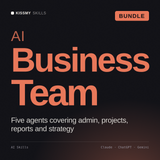
La estrategia de empaquetado aplicada a los Agents: cinco Agents empresariales especializados vendidos como una sola unidad, para que un equipo se estandarice en los mismos archivos en lugar de dispersar prompts aislados entre chats individuales.
Ver Business Agent Bundle →En resumen:
Para realizar bien una tarea concreta, basta con un solo pack como AI Copywriting Tool por 9 $. Para estandarizar un flujo de trabajo recurrente, un archivo de Skills como Lena - Content Marketing Manager por 19 $ se carga una vez y permanece activo. Para todo un equipo, el Business Agent Bundle cuesta 99 $. Todas son compras únicas, funcionan en Claude, ChatGPT y cualquier chat de AI sin necesidad de programar, e incluyen una garantía de devolución del dinero de 30 días.
Más de 1.000 archivos de Skills de Claude a 19 $, 300+ packs de prompts a 9 $ y 55 Agents a 39 $ - todos organizados por función laboral y no por tipo de prompt. Funcionan con Claude, ChatGPT o cualquier chat de AI.
Explora todos los prompts →Consulta los archivos de Skills →