2026年のデジタルマーケティング戦略:古いプレイブックではもはや勝てない理由
2019年に成果を生み出したデジタルマーケティング戦略は、チャネルレベルでは2026年も機能します。SEOは今もオーガニックトラフィックを生み出します。メールは今もあらゆるチャネルの中で最高のROIを生み出します。ペイドソーシャルは今も顧客獲得を拡大します。コンテンツは今もカテゴリーにおける権威性を築きます。ソーシャルメディアは今もブランドエクイティを積み上げます。チャネル自体は根本的に変わっていません。
大きく、そして構造的に変化したのは、これら3つの基盤となる能力です。現在では、どのチャネルでも平均的な成果と卓越した成果を分けています。それは、AIで強化されたコンテンツと戦略、リアルタイムで適応するインテリジェントなデータ自動化、そしてレポートではなく意思決定を生み出すアナリティクスです。データ自動化、AI、アナリティクスを備えた現代のデジタルマーケティング戦略は、3つすべての基盤を1つのオペレーティングシステムに統合します。現代のプレイブックを実行するチームは、2019年のプレイブックを使い続けるチームを一貫して上回ります。予算が大きいからでも、より優れたチャネルを持っているからでもなく、競合他社がアップグレードできていない一方で、実行レイヤーをアップグレードしているからです。
このガイドでは、3つの新しい基盤、それぞれを導入するために必要な具体的なスタック、そして測定可能な競争優位を生み出す統合された現代のデジタルマーケティングシステムへの統合方法を説明します。

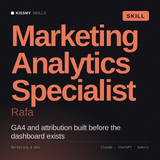
これは上記のプレイブックにある3つ目の基盤を、1つのClaude Skillファイルにまとめたものです。GA4、GSC、アトリビューションデータを月次の統合セッションに組み込み、別のダッシュボードではなく、優先順位付けされた実行可能な提案を出力します。
Rafaを見る →チャネルの選択よりも3つの基盤が重要な理由
デジタルマーケティング戦略の会話でよくある間違いは、チャネル配分が最も重要な意思決定であるかのように、チャネルミックス - 有料施策を増やす、オーガニック施策を増やす、メールを増やす、ソーシャルを増やす - について議論することです。2026年もチャネルミックスは重要ですが、その下にある能力レイヤーほどではありません。最高のAIスタックを備えた平凡なコンテンツチームは、2019年のワークフローで運営する優秀なコンテンツチームを上回ります。最新のアナリティクスと予測モデリングを備えた中堅市場向けのペイドメディア運用担当者は、前四半期のレポートを基に意思決定するシニア担当者を上回ります。レバレッジが効くのはチャネルではなく、基盤です。
だからこそ、現代のデジタルマーケティング戦略、データ、自動化、AI、アナリティクスに関する議論は、より上流へと移っています。どのチャネルを優先すべきかを議論する代わりに、戦略上の問いはこうなりました。すべてのチャネルが最大限の成果を発揮できるように、私たちはどの基盤能力を構築する必要があるのか?
基盤1: AI拡張型コンテンツ戦略と制作
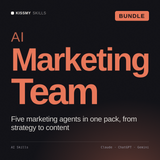
2026年、AIを効果的に活用する組織と活用していない組織のコンテンツ格差は、構造的に大きくなっています。役割別のスキルファイルを設定したClaudeを使用する5人のマーケティングチームは、AIの支援なしで働く10人のチームと同等のコンテンツ量と品質を生み出せるようになりました。これはわずかな改善ではなく、競争上可能なこと自体を変えるものです。オーガニック検索でカテゴリの検索順位を獲得しているチームは、2倍の品質で3倍の量を公開しています。その結果、同じ予算と同じライティング人材を持ちながら、AI基盤を整備していない競合を、公開量でも検索順位でも上回っています。
現代のAI拡張型コンテンツシステムは、5つのツールを単一のワークフローに統合します。
- キーワード調査、競合インテリジェンス、SERP分析にはSemrushまたはAhrefsを使用します。狙う価値のある具体的なキーワードと、それらでどのようなコンテンツが上位表示されるかを特定します。
- 競合が参入する前の新たなトレンドの特定にはExploding Topicsを使用します。トレンドトピックで最も早く動いた企業は、後発企業には奪えない持続的な検索順位を築きます。
- 初稿の作成には、コンテンツマーケティング用のスキルファイルを設定したClaudeを使用します。スキルファイルにブランドボイス、オーディエンス、コンテンツ基準を組み込むことで、書き直しではなく編集で仕上げられる下書きを生成します。
- SERPのベンチマークに基づくオンページ最適化にはSurfer SEOを使用します。Googleが求める意味的な網羅性と構造パターンを満たすことで、AIの下書きを実際に検索上位を狙えるコンテンツに変えます。
- 配信とスケジュール管理にはBuffer、HubSpot、またはWordPressを使用します。自動公開により、チームはAIが担えない戦略的な業務に時間を使えるようになります。
この統合システムにより、マーケター1人あたり月12-16本の高品質なコンテンツを制作できます。AIの支援がなければ3-4本にとどまります。経済的効果は四半期ごとに積み上がります。インデックス登録されるページの増加、ロングテールキーワードのカバー範囲の拡大、トピカルオーソリティの向上、オーガニックトラフィックの増加、コンテンツ適格リードの増加です。
基盤2:リアルタイムで適応するインテリジェント・マーケティングオートメーション
マーケティングオートメーションは2010年から存在しています。AIモデルが事前設定されたロジックに従うルールベースのワークフローではなく、リアルタイムで意思決定を行うインテリジェント・マーケティングオートメーションが広く利用可能になったのは、2023年以降に限られます。その違いはわずかなものではなく、構造的なものです。従来のオートメーションシーケンスでは、行動にかかわらず、すべての新規リードに同じ5通のウェルカムシリーズを送信します。インテリジェント・オートメーションシーケンスでは、コンタクトが前のメールの後に取った行動、予測インテントスコア、エンゲージメントパターン、そして過去の類似コンタクトの行動に基づいて、次のメールを適応させます。
現代のインテリジェント・オートメーション・アーキテクチャは、5つのレイヤーを統合します。
- 動的コンテンツによるリード獲得。インテントシグナルに基づき、流入元やオーディエンスセグメントごとに異なるオファーを表示します。LinkedInからの訪問者には、Google検索からの訪問者とは異なる獲得オファーが表示されます。
- AIによるリードスコアリング。HubSpot Predictive Lead Scoring、Salesforce Einstein、またはカスタムのAkkioモデルが、獲得時点で予測コンバージョン確率に基づいて、新規リードを一件ずつ順位付けします。
- 行動ベースのメール分岐。メール1の後に各コンタクトが取った行動に応じて、異なるナーチャリング経路が開始されます。コンタクトが開封してクリックした場合 = ファストトラック経路。開封したがクリックしなかった場合 = ソーシャルプルーフ経路。開封しなかった場合 = 再エンゲージメント経路。
- AIが最適なタイミングで通知する営業アラート。コンタクトのリードスコアがしきい値を超えたとき、または特定の行動シグナル(料金ページへの訪問、デモページへの訪問、複数の資料のダウンロード)が発生したとき、営業担当者にコンテキスト付きのアラートが即座に届きます。
- 解約予測トリガーを用いた購入後オンボーディング。新規顧客は適応型のオンボーディングシーケンスに入ります。解約リスクモデルがエンゲージメントパターンを監視します。リスクの高い顧客には、意識的に離脱する前に介入コンテンツが届けられます。
このインテリジェント・オートメーション・アーキテクチャは、ルールベースのシステムと比べて、コンバージョン率の明確な向上、営業サイクルの短縮、顧客生涯価値の向上、解約率の低下を実現します。必要な投資(主にカスタム開発ではなくツール設定)は、現代のデジタルマーケティング戦略の中でも最高水準のROIをもたらします。
基盤3:レポートではなく意思決定を生み出す分析
現代の分析スタックはレポートを作成するのではなく、意思決定を生み出します。この違いは重要ですが、ほとんどのマーケティングチームはいまだに理解できていません。レポートは何が起きたのかを説明します。意思決定を生み出す分析システムは、データが示す内容に基づき、パフォーマンスを改善する可能性が最も高い具体的なアクションを明らかにします。従来型のチームはいまだにレポート作成の仕事をしています。現代のチームは意思決定を生み出す仕事へと移行しており、その結果、分析機能が実際に提供するものも変わります。
現代の意思決定を生み出す分析システムは、4つのコンポーネントを統合します。
- ウェブサイト、コンバージョン、予測オーディエンスにはGA4。 適切なイベントトラッキングを設定して使用します(デフォルト設定のまま導入するのではありません)。GA4の予測オーディエンス(購入確率、解約確率)は無料で利用できるML予測ですが、多くのチームが見過ごしています。
- オーガニック検索のパフォーマンスとキーワード機会の特定にはGoogle Search Console。 デジタルマーケティングで最も活用されていない無料ツールです。GSCのデータからは、コンテンツを1回更新するだけで2ページ目から1ページ目に押し上げられる可能性のあるキーワードが見つかります。これは、ほとんどのチームにとって実施可能なオーガニック施策の中で、最もROIの高い取り組みです。
- マルチタッチアトリビューション。 最低限の基準としてGA4のデータドリブンアトリビューションを使用します。有料施策中心のEC企業やB2Bチームには、Northbeam、Triple Whale、Rockerboxが適しています。ラストクリックデータに基づく予算配分の判断は、体系的に誤っています。アトリビューションは測定レイヤーであり、その後に行われるあらゆる判断の精度を高めます。
- 毎月の統合にはClaude。 データをエクスポートし、データアナリスト用のスキルファイルとともにClaudeに貼り付け、次のように尋ねます。「このデータに基づき、来月実施すべきROIの高いアクションを3つ、その理由とともに挙げてください。」出力されるのは、優先順位付きの推奨事項をまとめた戦略ブリーフです。これは、従来のダッシュボードにはない意思決定レイヤーです。
Claudeが毎月のセッションで答える問いは、「何が起きたのか?」ではありません。「それに対して、私たちはどうすべきか?」です。これは記述的分析から処方的分析への転換であり、現代のデジタルマーケティング戦略におけるデータ自動化、AI分析、統合と、従来のマーケティングレポート業務を分ける転換でもあります。
3つの基盤を統合して現代的な統合システムへ
3つの基盤が連携して機能すると、相乗効果が積み重なります。AIで強化したコンテンツは、より高品質なページをより多くインデックスさせます。インテリジェントな自動化は、それらのページからのトラフィックを、行動シグナルに基づく適応型ナーチャリング経路へ振り分けます。意思決定につながる分析は、成果の出ているコンテンツテーマ、自動化分岐のコンバージョン状況、そして総合ROIを最大化するために翌月どこへ予算を再配分すべきかを特定します。それぞれの基盤が、他の2つに情報を提供します。
これらを結び付ける運用パターンは、現在の計画に基づく毎週の実行、翌月の優先度付き推奨事項を作成するClaudeとの月次分析統合、そして蓄積した学習内容に基づいてコンテンツカレンダー、自動化アーキテクチャ、測定モデルを更新する四半期ごとの戦略レビューです。このリズムこそが、現代的なデジタルマーケティングのオペレーティングシステムの実像です。分断された戦術の寄せ集めではなく、統合システムなのです。
今四半期に現代的なプレイブックを導入する方法
多くのチームが犯す間違いは、3つの基盤を同時に導入しようとすることです。その結果、対応能力を超え、何も生み出せなくなります。正しい順序は次のとおりです。
- 1か月目:AIで強化したコンテンツを導入します。コンテンツマーケティングのスキルファイルでClaudeを設定します。SemrushとSurferを組み合わせます。30日以内に、過去の3倍のペースで制作を開始します。
- 2か月目:自動化を強化します。既存のESPで、AIリードスコアリング、行動ベースのメール分岐、送信時間の最適化を有効化します。最新のESPの多くには、これらの機能が組み込まれていますが、初期状態ではオフになっています。
- 3か月目:意思決定につながる分析レイヤーを導入します。GA4を適切に設定します。GSCを有効化します。エクスポートしたデータを基に、Claudeによる月次分析統合セッションを設定します。
- 第2四半期以降:3つの基盤を統合システムとして運用しながら、それぞれをさらに深く拡張します。各四半期の取り組みは、前の四半期の成果に積み重なります。
KissMySkillsのスキルファイル完全カタログ - コンテンツマーケティング、広告、メールマーケティング、データアナリストのスキル - は、この現代的なデジタルマーケティング戦略プレイブックの基盤をすべて網羅しています。KissMySkills.comで閲覧し、今四半期からシステム全体を導入しましょう。
実践に移す準備はできていますか? Claude & ChatGPT向けのマーケティング&広告スキルを閲覧するか、すべてのClaudeスキルとpromptライブラリをご覧ください。