結合 AI 與分析的數位行銷策略:現代實戰指南

2026 年的數位行銷策略:為什麼舊操作手冊不再勝出

2019 年帶來成果的數位行銷策略,在 2026 年於管道層級仍然有效。SEO 仍然能帶來自然流量。電子郵件仍然能產生所有管道中最高的 ROI。付費社群仍然能擴大獲客規模。內容仍然能建立品類權威。社群媒體仍然能累積品牌資產。管道本身並未發生根本性的改變。

真正發生改變的 - 而且是劇烈且結構性的改變 - 是三項基礎能力,如今它們在上述每一個管道中,將平均表現與卓越表現區隔開來:AI 強化的內容與策略、能即時適應的智慧資料自動化,以及產生決策而非報告的分析。採用資料自動化、AI 與分析的現代數位行銷策略,會將這三項基礎整合成單一作業系統。持續採用現代操作手冊的團隊,表現一貫勝過仍採用 2019 年操作手冊的團隊 - 並不是因為他們擁有更大的預算或更好的管道,而是因為他們的執行層已經升級,而競爭對手尚未升級。

本指南涵蓋三項新基礎、部署每項基礎所需的具體技術堆疊,以及它們如何整合成一套能帶來可衡量競爭優勢的統一現代數位行銷系統。

將你的行銷資料轉化為決策
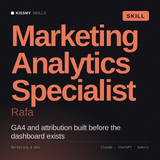
Rafa - 行銷分析專員 AI Skill
$29此 Skill 相較於 $200分析顧問/小時

這是上述操作手冊中的第三項基礎,整合成一個 Claude Skill 檔案:將 GA4、GSC 與歸因資料設定為每月一次的綜合分析工作階段,輸出具優先順序且可直接採取行動的建議,而不是另一個儀表板。

查看 Rafa →

為什麼三大基礎比管道選擇更重要

數位行銷策略討論中常見的錯誤,是爭論管道組合 - 更多付費、更多自然流量、更多電子郵件、更多社群 - 彷彿管道配置才是首要決策。到了 2026 年,管道組合仍然重要,但其重要性不如底層的能力層。擁有最佳 AI 技術堆疊的普通內容團隊,表現勝過採用 2019 年工作流程的優秀內容團隊。擁有現代化分析工具與預測模型的中型市場付費媒體營運人員,表現勝過根據上季報告做決策的資深營運人員。真正的槓桿在基礎,而不在管道。

這就是為什麼現代數位行銷策略、資料自動化、AI、分析與對話都已經前移。與其爭論該優先投入哪個渠道,策略問題已經變成:我們需要建立哪些基礎能力,才能讓每個渠道都發揮其最高效能?

基礎 1:AI 輔助內容策略與製作

在 2026 年,善用 AI 的組織與未使用 AI 的組織之間的內容差距,已在結構上變得十分顯著。由五人組成的行銷團隊若使用配置了角色專用技能檔案的 Claude,如今能產出相當於十人團隊在沒有 AI 協助下所產出的內容數量與品質。這不是些微改善,而是改變了競爭上可能達成的成果。能在自然搜尋中贏得類別排名的團隊,發布量達到 3 倍、品質達到 2 倍,這代表他們的發布速度與排名表現都超越了預算相同、寫作人才相同,但尚未建立 AI 基礎的競爭者。

現代 AI 輔助內容系統將五項工具整合為單一工作流程:

  • 使用 Semrush 或 Ahrefs 進行關鍵字研究、競爭情報與 SERP 分析。找出值得鎖定的具體關鍵字,以及哪些類型的內容能在這些關鍵字上取得排名。
  • 使用 Exploding Topics 在競爭者加入前識別新興趨勢。最早投入熱門主題的業者能建立持久的排名,後來者無法取代。
  • 使用 Claude 搭配內容行銷技能檔案 進行初稿製作。技能檔案納入品牌語調、受眾與內容標準,產出的草稿只需編輯,而非重新改寫。
  • 使用 Surfer SEO,根據 SERP 基準進行頁面最佳化。透過符合 Google 期待的語意涵蓋範圍與結構模式,將 AI 草稿轉化為真正具備排名潛力的內容。
  • 使用 Buffer、HubSpot 或 WordPress 進行發布與排程。自動化發布能釋放團隊時間,投入 AI 無法完成的策略性工作。

這套整合系統讓每位行銷人員每月產出 12-16 篇高品質內容,而沒有 AI 協助時只有 3-4 篇。經濟效益每季持續累積:更多已建立索引的頁面、更多長尾關鍵字涵蓋範圍、更高的主題權威性、更多自然流量,以及更多由內容促成的潛在客戶。

基礎 2:可即時適應的智慧行銷自動化

行銷自動化自 2010 年起便已存在。智慧行銷自動化 - 由 AI 模型即時做出決策,而非由規則式工作流程依預先設定的邏輯執行 - 直到 2023 年起才廣泛普及。兩者的差異是結構性的,而非些微差異。傳統自動化序列會對每個新潛在客戶發送相同的五封歡迎郵件,無論其行為為何。智慧自動化序列則會根據聯絡人在上一封郵件後的行為、預測意圖評分、互動模式,以及歷史上類似聯絡人的行為,調整下一封郵件。

現代智慧自動化架構整合了五個層面:

  • 搭配動態內容的潛在客戶擷取。根據意圖訊號,向不同流量來源與受眾區隔展示不同優惠。來自 LinkedIn 的訪客會看到不同於 Google 搜尋訪客的擷取優惠。
  • AI 潛在客戶評分。HubSpot Predictive Lead Scoring、Salesforce Einstein 或客製化 Akkio 模型,會在每個新潛在客戶被擷取的當下,依預測轉換機率為其排名。
  • 行為式電子郵件分支。根據每位聯絡人在第 1 封電子郵件後的行為,觸發不同的培育路徑。聯絡人開啟並點擊 = 快速通道。聯絡人開啟但未點擊 = 社會認同路徑。聯絡人未開啟 = 重新互動路徑。
  • AI 定時銷售提醒。當聯絡人的潛在客戶評分超過門檻,或特定行為訊號觸發時(造訪定價頁面、造訪示範頁面、下載多項資源),銷售團隊會立即收到附帶背景資訊的提醒。
  • 結合流失預測觸發條件的購後導入。新客戶會進入自適應導入流程。流失風險模型會監測互動模式。對於有流失風險的客戶,系統會在他們有意識地停止互動前提供介入內容。

這套智慧自動化架構帶來可量化的更高轉換率、更短的銷售週期、更高的客戶終身價值,以及比規則式系統更低的流失率。以所需投資而言(主要是工具設定,而非客製化開發),其投資報酬率在現代數位行銷策略中名列前茅。

基礎 3:產出決策而非報告的分析

現代分析技術堆疊不會產出報告 - 而是產出決策。這項區別至關重要,而大多數行銷團隊仍然弄錯了這一點。報告描述發生了什麼。決策產出型分析系統則根據資料呈現的結果,找出最有可能改善成效的具體行動。傳統團隊仍在從事報告產製工作。現代團隊已轉向決策產製工作 - 這改變了分析職能實際交付的內容。

現代決策產出型分析系統整合了四個元件:

  • GA4 用於網站、轉換與預測受眾。需搭配正確的事件追蹤設定,而非僅使用預設安裝。GA4 預測受眾(購買機率、流失機率)是免費的 ML 預測功能,但大多數團隊都忽略了它。
  • Google Search Console 用於自然搜尋成效與關鍵字機會識別。這是數位行銷中最未充分利用的免費工具。GSC 資料會找出只要進行一次內容更新,就可能推升至搜尋結果第一頁的第二頁關鍵字 - 這是大多數團隊能進行的自然搜尋工作中,投資報酬率最高的一類。
  • 多接觸點歸因。以 GA4 資料驅動歸因作為最低基準。對於以付費廣告為主的電子商務與 B2B 團隊,則可使用 Northbeam、Triple Whale 或 Rockerbox。根據最後點擊資料做出的預算分配決策,在系統性上都是錯誤的 - 歸因是測量層,能讓下游所有其他決策更加準確。
  • Claude 用於每月綜合分析。匯出資料,將資料分析師技能檔案一併貼入 Claude,並詢問:「根據這些資料,下個月投資報酬率最高的三項行動是什麼?為什麼?」輸出內容是一份策略簡報,附有按優先順序排列的建議 - 也就是傳統儀表板無法提供的決策層。

Claude 在每月工作階段中回答的問題,不是「發生了什麼?」而是「我們該如何應對?」這就是從描述性分析轉向規範性分析的變化 - 也是將現代數位行銷策略、資料自動化、AI 分析與整合,與傳統行銷報告工作流程區分開來的關鍵轉變。

三大基礎如何整合為統一的現代系統

當三項基礎同時運作時,槓桿效應會持續累積。AI 輔助內容能以更高品質產出更多已建立索引的頁面。智慧型自動化會根據行為訊號,將這些頁面的流量導入適應性培育路徑。能產生決策的分析會找出哪些內容主題有效、哪些自動化分支能帶來轉換,以及下個月應將預算重新分配到何處,才能實現最高的綜合 ROI。每項基礎都會反饋給另外兩項。

將三者串聯起來的營運模式是:每週依照目前計畫執行;每月與 Claude 進行分析綜整,產出下個月的優先建議;每季進行策略檢視,根據累積的學習成果更新內容行事曆、自動化架構與衡量模型。這種節奏才是現代數位行銷營運系統在 2026 年的實際樣貌 - 一套統一系統,而非一堆彼此孤立的策略。

本季度如何部署現代策略手冊

多數團隊會犯的錯誤,是試圖同時部署三項基礎,導致超出承載能力,最後一事無成。正確的順序是:

  1. 第 1 個月: 部署 AI 輔助內容。使用內容行銷技能檔案設定 Claude。搭配 Semrush 與 Surfer。在 30 天內開始以歷史產量的 3 倍產出內容。
  2. 第 2 個月: 升級自動化。啟用 AI 潛在客戶評分、行為式電子郵件分支,以及現有 ESP 中的寄送時間最佳化。大多數現代 ESP 都內建這些功能,但預設為關閉。
  3. 第 3 個月: 建立能產生決策的分析層。正確設定 GA4。啟用 GSC。設定每月使用 Claude,根據匯出的資料進行分析綜整。
  4. 第二季起: 在三者作為統一系統運作的同時,進一步深化每項基礎。每一季都會在上一季的成果上持續累積。

完整的 KissMySkills 技能檔案目錄 - 涵蓋內容行銷、廣告、電子郵件行銷與資料分析師技能 - 涵蓋這套現代數位行銷策略手冊中的所有基礎。前往 KissMySkills.com,從本季度開始部署完整系統。

準備好將這套方法付諸實行了嗎? 瀏覽適用於 Claude 與 ChatGPT 的 行銷與廣告技能,或探索所有 Claude 技能prompt 資料庫

常見問題

What has changed about digital marketing strategies in 2026?+

The digital marketing strategies that produced results in 2019 still work in 2026 at a channel level. SEO still drives organic traffic. Email still produces the highest ROI of any channel. Paid social still scales acquisition. Content still builds category authority. Social media still compounds brand equity. The channels themselves have not fundamentally changed. What has changed dramatically and structurally are the three foundational capabilities that now separate average performance from exceptional performance in every one of those channels: AI-augmented content and strategy, intelligent data automation that adapts in real time, and analytics that produce decisions rather than reports. Modern digital marketing strategies with data automation, AI, and analytics integrate all three foundations into a single operating system. Teams running the modern playbook consistently outperform teams still running the 2019 playbook not because they have bigger budgets or better channels, but because their execution layer has been upgraded while their competitors' has not. The leverage is in the foundation not the channel.

What is AI-augmented content strategy and how does it work?+

The content gap between organizations using AI well and organizations not using it has become structurally significant in 2026. A five-person marketing team using Claude configured with role-specific skill files now produces the content volume and quality output of a ten-person team working without AI assistance. The modern AI-augmented content system integrates five tools into a single workflow: Semrush or Ahrefs for keyword research, competitive intelligence, and SERP analysis (identifies the specific keywords worth targeting and what kind of content ranks for them). Exploding Topics for emerging trend identification before competition arrives. Claude configured with a content marketing skill file for first-draft production (the skill file encodes brand voice, audience, and content standards producing drafts that require editing rather than rewriting). Surfer SEO for on-page optimization against SERP benchmarks (turns AI drafts into genuinely rankable content). Buffer, HubSpot, or WordPress for distribution and scheduling. This integrated system produces 12-16 quality content pieces per month per marketer versus 3-4 without AI assistance.

What is intelligent marketing automation and how does it differ from traditional automation?+

Intelligent marketing automation is where AI models make decisions in real time rather than rule-based workflows following pre-configured logic. The difference is structural not marginal. A traditional automation sequence sends every new lead the same five-email welcome series regardless of behavior. An intelligent automation sequence adapts the next email based on what the contact did after the previous email, their predicted intent score, their engagement pattern, and the behavior of similar contacts historically. The modern intelligent automation architecture integrates five layers: Lead capture with dynamic content (different offers shown to different traffic sources and audience segments based on intent signals). AI lead scoring (HubSpot Predictive Lead Scoring, Salesforce Einstein, or a custom Akkio model ranks every new lead by predicted conversion probability). Behavioral email branches (different nurture paths triggered by what each contact does). AI-timed sales alerts (when a contact's lead score crosses a threshold or specific behavioral signals trigger). Post-purchase onboarding with churn prediction triggers (churn risk models monitor engagement patterns, at-risk customers receive intervention content before they have consciously disengaged).

What is the difference between analytics that produce decisions versus reports?+

The modern analytics stack does not produce reports, it produces decisions. This distinction is critical and most marketing teams still get it wrong. A report describes what happened. A decision-producing analytics system surfaces the specific action most likely to improve performance based on what the data shows. Traditional teams are still in the report-production business. Modern teams have moved to the decision-production business which changes what the analytics function actually delivers. The modern decision-producing analytics system integrates four components: GA4 for website, conversion, and predictive audiences configured with proper event tracking. Google Search Console for organic search performance and keyword opportunity identification. Multi-touch attribution (GA4 data-driven attribution as minimum baseline, Northbeam, Triple Whale, or Rockerbox for paid-heavy ecommerce and B2B teams, budget allocation decisions made from last-click data are systematically wrong). Claude for monthly synthesis (export the data, paste into Claude with a data analyst skill file, ask given this data what are the three highest-ROI actions for next month and why, the output is a strategic brief with prioritized recommendations). The question Claude answers is not what happened but what do we do about it.

How should teams deploy the modern digital marketing playbook?+

The mistake most teams make: trying to deploy all three foundations simultaneously which overwhelms capacity and produces nothing. The correct sequence: Month 1 deploy AI-augmented content (configure Claude with a content marketing skill file, pair with Semrush and Surfer, start producing at 3x historical volume within 30 days). Month 2 upgrade automation (activate AI lead scoring, behavioral email branches, and send time optimization in your existing ESP, most modern ESPs have these features built in and turned off). Month 3 install the decision-producing analytics layer (configure GA4 properly, activate GSC, set up monthly Claude analytics synthesis sessions against exported data). Quarter 2 onwards expand each foundation deeper while the three operate as a unified system, each quarter compounds the previous one. The operational pattern that ties them together: weekly execution against the current plan, monthly analytics synthesis with Claude that produces the next month's prioritized recommendations, quarterly strategic review where the content calendar, automation architecture, and measurement model get updated based on accumulated learning.

~/get-started

實用的 Skills。不說空話。

瀏覽商店中的每個技能、prompt 套件和 agent。

瀏覽所有技能 →或試試免費工具