機器學習行銷自動化:演算法如何學會替你銷售

機器學習在行銷情境中實際代表什麼

機器學習是行銷科技中最常被誤用的術語之一。供應商將其套用於從複雜的預測模型到基本 A/B 測試自動化等各種功能。了解它實際代表的意義,以及要讓它有效運作所需的條件,是有效部署與花錢購買卻永遠無法正確使用某項功能之間的差別。

實際上,行銷自動化中的機器學習是指:系統會根據成果資料,隨時間改善其決策,而不需要明確重新編寫程式。每次發送電子郵件、展示廣告或評分潛在客戶時,它都會收到回饋(是否有效?),並據此調整未來的決策。它會學習。

專為建構模型的團隊,而不只是使用模型的團隊
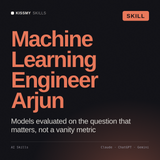
Arjun - Machine Learning Engineer AI Skill
$29此 Skill 相較於 $120資深 ML 工程師,每小時

Arjun 建立了本文說明的分類、推薦與最佳化模型 - 無資料洩漏、經過驗證,並已部署至正式環境,而不只是設定在行銷平台中。

查看 Arjun - ML 工程師 →

行銷自動化中最常使用的三種機器學習模型

1. 分類模型(用於分群與評分)

分類模型會根據聯絡人資料中的模式,將聯絡人分配到不同類別。在行銷中,這表示:這位潛在客戶會轉換嗎?這位顧客會流失嗎?這次電子郵件互動是真實的,還是機器人流量?模型會使用已知答案的歷史範例進行訓練,然後將學到的模式套用到答案未知的新聯絡人。

你會在哪裡看到它: HubSpot 預測性潛在客戶評分、Salesforce Einstein、Klaviyo 流失機率。輸出結果是機率分數 - 「此聯絡人在 30 天內轉換的可能性為 73%。」

2. 推薦模型(用於個人化)

推薦模型會根據相似聯絡人過去的回應,判斷哪些內容、產品或訊息最可能促使特定聯絡人互動。「買了 X 的顧客也買了 Y」模型 - 應用於電子郵件內容、廣告創意與網站個人化。

你會在哪裡看到它: Klaviyo 產品推薦、Dynamic Yield 個人化、Netflix 與 Spotify 的推薦引擎。在行銷中:案例研究區塊會向每位訪客展示最相關的產業範例。

3. 最佳化模型(用於出價、時機與預算分配)

最佳化模型會持續調整變數 - 出價、發送時間、預算分配 - 以最大化定義的成果指標。它們不會學習要說什麼或該對誰說。它們學習的是你提供的內容所對應的最佳投放條件。

你會在哪裡看到它: Google 智慧出價Meta Advantage+ 預算最佳化、Klaviyo 智慧寄送時間。這些是行銷領域中最廣泛部署的機器學習模型,而大多數行銷人員使用它們時,並未意識到它們採用的是機器學習。

機器學習行銷自動化要能運作所需的條件

機器學習模型的品質取決於訓練它們的資料。在投入採用機器學習的自動化功能之前,請確認你具備:

  • 充足的歷史資料 - 分類模型需要範例。Google 智慧出價在 30 天內需要 50 次以上的轉換。HubSpot 預測評分需要 3 個月以上的 CRM 歷史資料。低於這些門檻時,模型沒有足夠的訊號,表現會像隨機猜測。
  • 乾淨且一致的資料結構 - 機器學習模型會從模式中學習。如果你的資料格式不一致、存在重複聯絡人或記錄不完整,模型就會學到錯誤的模式。資料品質是機器學習正常運作不可或缺的條件。
  • 明確且可衡量的成果 - 模型會學習如何針對某項目標進行最佳化。該目標必須明確定義並準確追蹤。「更多銷售」不是可衡量的機器學習目標。「在 Klaviyo 中完成購買事件」才是。
  • 互動量 - 模型會隨著接觸量增加而改善。包含 500 人的電子郵件名單,比包含 50,000 人的名單需要更長時間才能讓機器學習完成學習。如果你的量級低於平台機器學習功能的門檻,可能要數個月才能看到有意義的改善。

機器學習持續勝過規則的行銷自動化工作

  • 大規模出價管理 - 沒有人能處理 Google 或 Meta 的機器學習模型在每次競價中處理的變數數量。對於擁有足夠轉換歷史的帳戶,智慧出價的表現優於手動出價。
  • 最佳寄送時間 - 個人層級的寄送時間無法手動管理。機器學習能在整個名單的規模上處理這項工作。
  • 流失預測 - 找出流失前出現的特定早期警訊,需要跨越數十個變數進行模式辨識。機器學習能找出人類忽略的模式 - 這正是我們預測行銷分析師指南中同樣著眼未來的工作。
  • 產品推薦 - 協同過濾(類似客戶購買的商品)是一個機械式的匹配問題,機器學習能以規則無法匹敵的規模與速度解決。

行銷領域中人工判斷仍勝過機器學習的地方

  • 創意策略與訊息 - ML 會最佳化內容的投放,但不會創造想法、理解文化脈絡,或運用能將優秀創意與普通創意區分開來的策略判斷。具備廣告創意技能的 Claude 可以處理這些工作。
  • 沒有歷史資料的新情況 - 新產品上市、新市場、新受眾區隔。沒有歷史資料,就沒有 ML 訊號。在模型累積資料之前,由人類判斷引領方向。
  • 品牌安全與語氣 - ML 不理解某些訊息為何不符合品牌形象、涉及政治敏感議題或不符合文化習俗。由人類設定界限。ML 在這些界限內運作。

常見問題

在行銷自動化的情境中,機器學習究竟是什麼意思?

行銷自動化中的機器學習,是一種根據結果資料隨時間改善決策的系統,而不需要有人明確重新編寫程式。每次發送電子郵件、顯示廣告或評分潛在客戶時,它都會收到這次操作是否有效的回饋,並據此調整未來的決策。這與規則式自動化不同,後者無論結果如何,都會遵循固定的 if-then 邏輯。大多數行銷人員其實已經在使用機器學習,只是自己沒有察覺 - Google Smart Bidding、Meta Advantage+ 和 Klaviyo Smart Send Time 都是機器學習最佳化模型。

行銷自動化最常使用的三種機器學習模型是什麼?

這三種模型分別是分類模型(根據歷史模式將聯絡人分配至不同類別 - 例如這個潛在客戶是否會轉換、這位客戶是否會流失 - 並輸出機率分數,例如 HubSpot 預測評分、Salesforce Einstein 和 Klaviyo 流失機率);推薦模型(根據類似聯絡人的回應,識別最可能吸引某位聯絡人的內容、產品或訊息,例如 Klaviyo 產品推薦和 Dynamic Yield);以及最佳化模型(持續調整出價、發送時間和預算,以最大化已定義的結果,例如 Google Smart Bidding、Meta Advantage+ 和 Klaviyo Smart Send Time)。

行銷團隊需要先準備哪些條件,機器學習自動化才能運作?

四個先決條件:足夠的歷史資料(Google Smart Bidding 需要 30 天內超過 50 次轉換,而 HubSpot 預測評分需要超過 3 個月的 CRM 歷史資料 - 低於這些門檻時,模型的表現等同於隨機猜測);乾淨且一致的資料結構(格式不一致、重複聯絡人或不完整的記錄,會讓模型學到錯誤的模式);明確且可衡量的結果(例如已完成購買這類精確追蹤的事件,而不是「提高銷售額」這類籠統目標);以及足夠的互動量(500 人的名單學習速度遠低於 50,000 人的名單,而在互動量低的情況下,改善可能需要數個月)。

在行銷中,機器學習在哪些方面能持續勝過人類判斷力?

四個領域:大規模出價管理(沒有人能處理 Google 或 Meta 的 ML 在每次競價中權衡的各種變數);發送時間最佳化(個人層級的時機不可能由人工管理,但對 ML 而言,在名單規模下卻輕而易舉);流失預測(找出人類容易忽略、分散在數十個變數中的早期警訊);以及產品推薦(協同過濾是一種機械式配對問題,ML 解決這類問題的速度與規模是規則無法匹敵的)。

在行銷中,人類判斷力在哪些方面仍勝過機器學習?

三個領域:創意策略與訊息傳遞(ML 能最佳化投放,卻無法產生想法、理解文化脈絡或運用策略判斷力 - 這正是經過設定的 AI Skill 發揮價值之處);沒有歷史資料的新情境(新產品推出、新市場或新客群沒有 ML 訊號,因此在人類累積資料之前,仍由人類判斷主導);以及品牌安全與語氣(ML 不理解某則訊息為何不符合品牌形象或不合乎文化 - 人類會設定 ML 運作時所遵循的安全界線)。

使用 Claude 將這些內容付諸實行。機器學習負責最佳化;策略、創意與判斷力才是經過設定的 AI Skill 發揮價值之處 - 無論是在 Claude、ChatGPT 或任何 AI 聊天工具中。

· Claude 用於 Google Ads
· Claude 用於 Meta 與 Facebook 廣告
· Claude 用於 Klaviyo
· 將 Claude 用作預測性行銷分析師
· 使用 Claude 進行行銷分析
· 瀏覽所有行銷與成長 Skill
相關 Skill 指南

常見問題

What does machine learning actually mean in a marketing automation context?+

Machine learning in marketing automation is a system that improves its decisions over time based on outcome data, without being explicitly reprogrammed to do so. Every time it sends an email, shows an ad, or scores a lead, it receives feedback on whether it worked and adjusts future decisions accordingly. This is distinct from rules-based automation, which follows fixed if-then logic regardless of outcomes. Most marketers are already using ML without realising it — Google Smart Bidding, Meta Advantage+, and Klaviyo Smart Send Time are all machine learning optimisation models.

What are the three machine learning models most used in marketing automation?+

The three models are: classification models (assign contacts to categories based on historical patterns — will this lead convert, will this customer churn, is this email engagement genuine — outputting probability scores like a 73% likelihood of converting within 30 days; seen in HubSpot predictive scoring, Salesforce Einstein, Klaviyo churn probability); recommendation models (identify which content, product, or message is most likely to produce engagement based on what similar contacts historically responded to; seen in Klaviyo product recommendations and Dynamic Yield personalisation); and optimisation models (continuously adjust bid price, send time, and budget distribution to maximise a defined outcome metric; seen in Google Smart Bidding, Meta Advantage+, and Klaviyo Smart Send Time).

What does a marketing team need in place before machine learning automation will work?+

Four prerequisites: sufficient historical data (Google Smart Bidding needs 50-plus conversions in 30 days, HubSpot predictive scoring needs 3-plus months of CRM history — below these thresholds the model performs at random); clean consistent data structure (ML learns from patterns, so inconsistent formatting, duplicate contacts, or incomplete records teach the model wrong patterns); a defined measurable outcome (the model optimises for something specific and accurately tracked — not a broad goal but a precise event like completed purchase in Klaviyo); and sufficient interaction volume (models improve with exposure — a list of 500 produces slower learning than a list of 50,000, and meaningful improvement may take months at low volume).

Where does machine learning consistently outperform human judgment in marketing?+

Four areas where ML wins decisively: bid management at scale (no human can process the variables Google or Meta's ML processes per auction — Smart Bidding outperforms manual for accounts with sufficient conversion history); send time optimisation (individual-level send timing is impossible to manage manually but ML handles it at list scale); churn prediction (identifying early-warning signals that precede churn requires pattern recognition across dozens of variables that ML finds and humans miss); and product recommendations (collaborative filtering matching what similar customers bought is a mechanical problem ML solves at speed and scale that rules-based systems cannot match).

Where does human judgment still outperform machine learning in marketing?+

Three areas where humans lead: creative strategy and messaging (ML optimises delivery of content but does not originate ideas, understand cultural context, or apply the strategic judgment that distinguishes good creative from average — this is where Claude with a skill file produces the most value); novel situations with no historical data (new product launches, new markets, new audience segments have no ML signal — human judgment leads until the model accumulates enough data); and brand safety and tone (ML does not understand why certain messages are off-brand, politically sensitive, or culturally inappropriate — humans set the guardrails and ML operates within them).

~/get-started

實用的 Skills。不說空話。

瀏覽商店中的每個技能、prompt 套件和 agent。

瀏覽所有技能 →或試試免費工具